Don't Buy Until You Read This: Asus Tuf Gaming A16 2025 vs Asus Zenbook S 16
Choosing a laptop in 2025 means balancing raw performance, portability, display quality, battery life and long-term value. Two very different laptops from Asus—the TUF Gaming A16 2025 and the Zenbook S 16—target distinct audiences: one is built for sustained gaming and demanding workloads, the other for portable productivity and creative work. This article breaks down what each machine does best, where compromises exist, and how to decide which one is the better buy depending on real-world use cases like competitive gaming, video editing, travel, or daily office work.
Quick overview: who each laptop is for
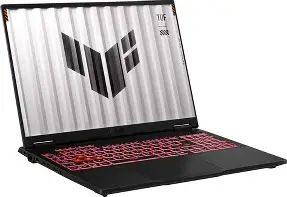
Asus TUF Gaming A16 2025 is positioned as a value-focused, durable gaming laptop. It typically emphasizes higher sustained CPU/GPU performance, robust thermal systems, and a feature set (ports, upgradeability) that appeals to gamers who also want a machine for streaming, multitasking and occasional content creation.
Asus Zenbook S 16 is a premium, thin-and-light laptop designed for professionals and creators who prioritize screen quality, build refinement, battery life and portability. It leans toward color-accurate displays, quieter operation, and a refined chassis rather than maximum GPU throughput.
Design, build and portability
The TUF A16 follows the practical gaming aesthetic: thicker chassis, reinforced hinges and often an RGB-accented keyboard. That extra mass is not just for looks—it's functional, allowing larger heat pipes, higher-capacity fans and physical space for full-size IO. For users who carry the laptop between dorm, desk and LAN parties, the TUF feels sturdy and purpose-built. The trade-off is added weight and a larger footprint in backpacks.
The Zenbook S 16, by contrast, is designed to disappear in a briefcase. It uses lighter metals, slimmer bezels and a more restrained finish. This makes it a better companion for frequent travelers, commuters and anyone who values a professional look during meetings. The slimmer profile, however, means less room for high-end cooling or a large battery in some configurations, which impacts sustained heavy-load performance.
Performance and thermals
Performance depends heavily on chosen configuration, but patterns emerge. The TUF A16 favors higher TDP CPUs and discrete GPUs, which deliver better frame rates in modern games and faster render times in multi-threaded tasks. Its cooling is designed for sustained loads—important for long gaming sessions or extended compilation and encoding tasks. Users who play fast-paced competitive titles or edit long 4K timelines will notice the difference in sustained frame rates and thermal throttling behavior.
The Zenbook S 16 centers on efficient performance. It usually pairs low-power, high-efficiency processors with either integrated graphics or lower-power discrete GPUs optimized for content creation. For everyday productivity, photo editing, and moderate video work, the Zenbook S feels snappy and remains cool and quiet. Under very heavy, continuous workloads, however, it will typically cut clocks earlier than a thicker gaming chassis to preserve acoustics and thermals.
Looking for the best Laptops & Computers deals on Amazon?
Browse Now →Display and media
Both lines offer strong displays, but with different priorities. The TUF displays are often high-refresh panels (120Hz and above) with faster response times—ideal for competitive gaming where motion clarity matters. Color reproduction can be good, especially on higher-tier panels, but the focus is more on refresh rate and brightness than studio-level color accuracy.
The Zenbook S 16 prioritizes color accuracy, contrast and resolution. Many Zenbook S configurations ship with high-resolution OLED or mini-LED options and wide color gamut coverage, making the S 16 attractive for photographers, designers and video editors who need accurate previewing on the go. These panels also tend to have exceptional contrast and deep blacks for media consumption.
Battery life and charging
In general, the Zenbook S 16 aims for longer battery life in light-to-moderate use, due to efficient components and battery-optimized design. For a professional working on documents, web browsing and light image editing, it often lasts through a full workday depending on display choice and power profile.
The TUF A16, built around higher power components, will typically have shorter battery life under similar workloads. It is optimized for plugged-in performance; gamers and creators using demanding apps should expect to be near a power outlet for extended sessions. TUF customers often prioritize performance over battery runtime and plan accordingly.
Keyboard, touchpad and webcam
Both laptops target different user interactions. The TUF keyboard favors tactile feedback, often with per-key or zone RGB options and larger key travel suitable for long gaming sessions. The touchpad is functional, though gamers often prefer a dedicated gaming mouse. The webcam quality tends to be serviceable for streaming and meetings but not a defining feature.
The Zenbook S 16 usually offers a more refined typing experience and a larger glass touchpad. Webcam and microphone arrays on the Zenbook are often tuned for video calls and content creation—useful for remote professionals who rely on call clarity and a presentable on-camera appearance.
Ports and connectivity
Expect the TUF A16 to offer a richer set of ports: full-size HDMI, multiple USB-A ports, USB-C with DisplayPort or charging, Ethernet on some models and headphone jacks. This versatility benefits those who connect external monitors, capture cards, controllers or wired networks.
Looking for the best Laptops & Computers deals on Amazon?
Browse Now →The Zenbook S 16 emphasizes USB-C/Thunderbolt connectivity to keep the chassis slim. It often provides fast data and display throughput through a smaller set of modern ports. Buyers who rely on legacy ports or multiple external devices should plan for a dock or adapter with a Zenbook.
Upgradeability and serviceability
The TUF series traditionally prioritizes upgrade paths—removable panels, accessible RAM slots and M.2 bays allow users to expand storage or RAM over time. This is attractive for buyers who want to keep the machine relevant longer or prefer to upgrade storage/RAM themselves.
The Zenbook's slim design often sacrifices some user-accessible upgrade options. RAM might be soldered in many configurations and storage expansion may be limited. For buyers who anticipate future upgrades, choosing a higher-spec Zenbook S 16 at purchase is generally the safer approach.
Real-world use cases
- Competitive gamer: The TUF A16 is the obvious choice because of higher refresh displays, discrete GPUs and more aggressive cooling for sustained frame rates.
- Casual gamer and student: If portability and battery life matter between classes, the Zenbook S 16 suits mixed-use days, though some gaming compromises apply.
- Remote professional or frequent traveler: Zenbook S 16 wins for weight, battery life and screen quality during flights and client meetings.
- Content creator on a budget: TUF A16 gives more raw encoding power per dollar in many configurations, but creators needing perfect color accuracy for grading will prefer the Zenbook S 16.
- Home office with many peripherals: TUF’s fuller IO complement avoids the need for dongles and docks in many setups.
Pros & cons
Asus TUF Gaming A16 2025
- Pros: Strong sustained CPU/GPU performance; effective thermals for long gaming or rendering sessions; abundant ports and upgradeability; value-oriented pricing in many configurations.
- Cons: Heavier and bulkier; shorter battery life under load; display choices prioritize refresh rate over studio-grade color accuracy; louder fan profiles at high load.
Asus Zenbook S 16
- Pros: Lightweight and premium build; excellent display options for creators; quieter operation and longer battery life in typical productivity tasks; refined keyboard and touchpad experience.
- Cons: Less upgradeable (often soldered RAM); fewer ports requiring adapters or docks; not optimized for long gaming sessions at high settings; higher cost for similarly performing hardware in some configurations.
Comparison table
| Category | Asus TUF Gaming A16 2025 | Asus Zenbook S 16 |
|---|---|---|
| Target user | Gamers, budget-conscious creators, users who need upgradeability | Professionals, creators, frequent travelers who value screen quality |
| Performance focus | Sustained CPU/GPU performance; discrete GPUs common | Efficient CPUs; emphasis on single-threaded responsiveness and creative workloads |
| Display | High refresh, gaming-oriented panels; variable color accuracy | High-resolution, color-accurate OLED/mini-LED options |
| Portability | Heavier and thicker | Thin and light; easy to carry |
| Battery life | Shorter under load; designed for plugged-in performance | Longer in light-to-moderate use |
| Thermals & noise | Stronger cooling; louder under load | Quieter in normal use; thermals limit sustained high loads |
| Ports & upgradeability | More ports; easier access to RAM/SSD | Fewer ports; limited user upgrades |
| Price & value | Often better value for raw performance | Premium pricing for build, display and portability |
Buying guide: how to choose
Choosing between these two depends on priorities. Below is a simple decision checklist and configuration advice to help make the right choice for common buyer profiles.
Decision checklist
- Is gaming the priority? If high frame rates and long sessions are important, the TUF is generally the better fit.
- Is portability crucial? For frequent travel, the Zenbook S 16’s lighter chassis and longer typical battery life make it more suitable.
- Do you edit color-critical media? Prioritize the Zenbook S 16 for better panels and creator-focused calibration.
- Do you plan to upgrade components? Choose the TUF if adding RAM or storage later matters.
- Will you use many wired peripherals? The TUF’s broader IO is more convenient without a dock.
- Budget considerations? The TUF often delivers more performance per dollar; the Zenbook asks a premium for portability and display quality.
Configuration advice
- For gamers: Pick a TUF configuration with a higher-tier discrete GPU and a high-refresh display. Invest in an SSD and at least 16GB of RAM; consider models with accessible RAM for future upgrades.
- For creators on the go: Choose a Zenbook S 16 with the best display option available and adequate RAM (32GB if possible). Favor higher storage if the model is not easily serviceable.
- For hybrid users (light gaming + productivity): Balance specs: a mid-range discrete GPU in a TUF or the highest-spec Zenbook S 16 with a capable integrated GPU, depending on weight tolerance.
- For longevity: Prefer configurations with user-upgradable storage or proven cooling to avoid early performance degradation.
Final tips before purchase
- Always check the specific configuration’s specs—models within the same product family can differ substantially in CPU, GPU, display and RAM.
- Read independent reviews for thermal behavior and battery endurance on the exact SKU under consideration.
- Consider acoustics—if a quiet workspace or shared environment matters, look for measured dB levels under load.
- Verify warranty and service options in the buyer’s region; repairability can influence total cost of ownership.
- Test the keyboard and trackpad in person if possible—typing comfort and palm placement are highly subjective.
Conclusion
Both the Asus TUF Gaming A16 2025 and the Asus Zenbook S 16 are compelling, but they solve different problems. The TUF is a pragmatic choice for buyers who prioritize gaming performance, upgradeability and robust cooling at a competitive price. The Zenbook S 16 is designed for users who want a premium, portable machine with exceptional display quality and quiet daily operation. The right pick depends on whether the buyer prioritizes sustained performance and expandability or portability and refined screen experience. By matching the laptop’s strengths to the user’s real-world needs—competitive gaming, content creation, travel, or office work—buyers can confidently select the machine that best fits their workflow and lifestyle.