I Tested the Razer Kiyo V2 for a Month: Here is My Verdict
The Razer Kiyo V2 arrived with high expectations from the PC peripheral crowd: a webcam pitched at streamers and hybrid workers who want a step up from laptop cameras and basic USB webcams. After a sustained month of real-world use across live streams, video meetings, recorded tutorials, and casual content creation, the reviewer evaluated the camera’s image quality, low-light performance, software, microphone, ergonomics, and value. This article breaks down those findings in detail, highlights who the Kiyo V2 suits best, compares it to close alternatives, and offers buying advice for different user needs.
Quick overview: what the Razer Kiyo V2 is
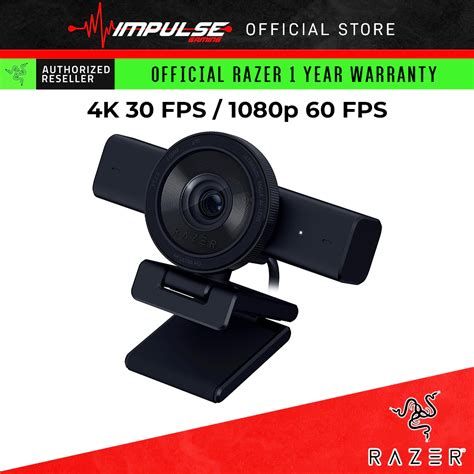
The Razer Kiyo V2 is a USB webcam that targets content creators and professionals seeking higher-quality video without the complexity of a mirrorless camera setup. Key features include 1080p capture at up to 60fps, Razer’s Synapse-enabled image tuning, built-in directional microphone array, an adjustable mounting mechanism, and software controls for white balance, exposure, and picture presets. The hardware and software together are intended to simplify the streamer setup and deliver consistent, broadcast-ready footage.
Design and build quality
Physically, the Kiyo V2 follows a compact, utilitarian design. The enclosure blends metal and high-quality plastic, giving it a reassuring heft without being bulky. The hinge and clamp mechanism is sturdy, accommodating laptop lids, thin monitors, and thicker studio monitors without slipping. The camera’s footprint is small, which benefits users who want an unobtrusive desktop setup.
From a practical standpoint, cable routing is simple and the USB-C connection provides reliable throughput. The unit’s finish resists fingerprints better than many glossy alternatives, and the faceplate around the lens is mattified to reduce stray reflections. The reviewer noted that the build felt noticeably better than many entry-level webcams but not as premium as high-end enterprise models priced well above the Kiyo V2’s market segment.
Setup and software experience
Setup is straightforward: plug-and-play works for basic operation on Windows and macOS, but full feature access requires Razer Synapse (Windows) or the companion control software where available. Synapse provides controls for exposure, gain, white balance, noise reduction, and several presets tailored for streaming situations (e.g., bright studio, low light, natural). There is also a tab for color correction and a “look” slider that adjusts contrast and saturation.
For users who use other streaming software—OBS, Streamlabs, Zoom, Teams—the Kiyo V2 presents as a standard UVC device, making it easy to integrate. The software’s UI is clear, but advanced users may miss fine-grained controls such as manual iris or log profiles; the Kiyo V2 caters to streamers who prefer fast, automated tuning over camera-grade manual adjustments.
Image quality and performance
Image quality is the Kiyo V2’s strongest suit in its class. At 1080p/60fps, motion is noticeably smoother compared with 30fps webcams, which matters for gameplay capture, hands-on tutorials, and energetic webcam presence. The lens produces sharp images at typical desk distances (60–120 cm). Edge detail is good for skin tones and desktop objects, and autofocus locks quickly when moving toward or away from the camera.
Color reproduction is tuned for punchy, broadcast-style looks—higher saturation and contrast by default. In well-lit conditions this yields attractive results without much post-processing. The dynamic range is respectable for a webcam: highlights are held better than older webcams, though deep shadows can show noise when underexposed.
Where the Kiyo V2 distinguishes itself is the combination of 60fps capture and aggressive noise-reduction algorithms. The noise reduction helps keep the image clean at moderate ISO/gain settings; however, in very low light the image becomes softer as the software reduces detail to suppress noise. For streamers who use key lights or ring lights, the Kiyo V2 produces crisp, clean footage with little effort.
Discover deals on Laptops & Computers — updated daily.
Browse Now →Autofocus and latency
Autofocus is fast and reasonably accurate. It occasionally hunts when the scene is extremely dark or the subject is moving quickly, but overall performance is solid for everyday streaming. Latency is low enough for live interactions and game facecams—no noticeable lag when paired with typical streaming setups.
Microphone and audio considerations
Razer included a built-in microphone array with directional pickup, which is convenient when a dedicated microphone is not available. In open-plan rooms or for quick conference calls, the Kiyo V2’s mic renders voice clearly and benefits from software-based noise suppression. However, the onboard mic cannot compete with a good USB condenser or XLR dynamic microphone for depth, warmth, or rejection of background noise.
For streamers or podcasters who prioritize audio quality, the Kiyo V2’s mic is an acceptable fallback or backup, but pairing the camera with an external microphone is recommended for professional results. The directional pickup helps reduce ambient noise, but sensitivity to keyboard clicks and nearby fans remains noticeable in untreated rooms.
Low-light performance and lighting features
Razer markets the Kiyo V2 for streamers who need reliable low-light performance, and in practice it performs well when combined with even modest key lighting. The webcam’s exposure algorithm and noise reduction keep faces readable and maintain color. In near-dark environments without external lights, the camera’s image softens and introduces chroma noise—typical behavior for webcams that rely on digital gain rather than larger sensors.
If low-light use is a priority, this is one of the better webcams in its class, but results are still best when paired with a small softbox, LED panel, or ring light. The Kiyo V2’s image tuning plays well with added light, which makes it a strong choice for streamers who want to step up from a laptop camera without overhauling their entire space.
Real-world use cases and buyer concerns
Live streaming and gameplay
Streamers will appreciate the 60fps capture for smooth on-screen motion, particularly for esports and fast-paced content. The camera’s software presets simplify going live quickly with a polished look. Integration with OBS and other broadcast tools is seamless, and the adjustable clamp allows positioning that matches typical stream layouts.
Remote work and video conferencing
For hybrid workers and professionals on frequent video calls, the Kiyo V2 delivers a clear, flattering image that projects professionalism. Automatic exposure and color correction reduce setup time between meetings. The onboard mic is useful for quick calls, but for important client or media calls an external microphone is preferable.
Content creation and tutorial recording
Content creators recording tutorials, unboxings, or how-to videos will find the Kiyo V2 a capable capture device. It records crisp 1080p footage and works well for desktop-facing shots. For multi-camera shoots or where depth-of-field control is required, a mirrorless camera still offers advantages, but the Kiyo V2 is an excellent single-camera solution for quick, dedicated recordings.
Comparison: Razer Kiyo V2 vs common alternatives
| Feature | Razer Kiyo V2 | Logitech Brio (4K) | Elgato Facecam |
|---|---|---|---|
| Max Resolution / Framerate | 1080p @ 60fps | 4K @ 30fps / 1080p @ 60fps | 1080p @ 60fps |
| Lens | Fixed wide-angle (good sharpness) | Glass lens, adjustable FOV options | Premium glass lens, fixed FOV |
| Autofocus | Fast, software-assisted | Good, with RightLight HDR | Fast, optimized for detail |
| Built-in Microphone | Directional array (ok for calls) | Stereo mics (good but not studio) | No (designed to be paired with external mic) |
| Software | Razer Synapse tuning & presets | Logi Tune / Capture | Elgato Camera Hub (focus on manual control) |
| Best for | Streamers who want plug-and-play, low-light help | Users requiring highest resolution or HDR | Creators who want high-detail 1080p and manual control |
The comparison highlights how the Kiyo V2 balances features: it focuses on smooth motion and ease of use rather than pushing absolute resolution. For buyers who need 4K capture or advanced color grading, other options may be preferable; for the majority of streamers and hybrid professionals the Kiyo V2 offers a compelling middle ground.
Discover deals on Laptops & Computers — updated daily.
Shop Amazon →Pros & Cons
- Pros:
- Excellent 1080p @ 60fps performance for smooth motion
- Strong low-light handling when paired with modest lighting
- Fast, reliable autofocus for everyday use
- Solid build and flexible mounting options
- Razer Synapse presets make getting a polished look quick
- Cons:
- Built-in microphone is useful but not a replacement for a dedicated mic
- Image tuning favors punchy colors—may require dialing back for natural looks
- Not the best choice if 4K capture or manual cine-style controls are required
- Some software features are Windows-centric; macOS users get fewer customization options
Buying guide: how to decide if the Kiyo V2 is right
When evaluating the Razer Kiyo V2, buyers should think about how they plan to use the camera and which trade-offs matter most. The guide below walks through the main considerations.
1. Intended use
- Daily video calls / hybrid work: The Kiyo V2 is a clear upgrade over laptop webcams and many basic USB cameras. Image quality and auto-tuning reduce time spent on setup before important meetings.
- Streaming live gameplay: 60fps capture makes the Kiyo V2 a strong option for streamers who want smooth webcam motion without investing in a dedicated capture camera.
- Recorded content / tutorials: Good for single-angle recordings; suitable for desktop tutorials, talking-head videos, and quick unboxings.
2. Audio needs
If audio quality is a priority (podcasting, interviews, professional broadcasts), plan to pair the Kiyo V2 with an external USB or XLR microphone. The camera’s mic is convenient for casual use and quick calls but will not satisfy listeners expecting broadcast-level audio fidelity.
3. Lighting conditions
The Kiyo V2 improves low-light capture compared with entry-level webcams, but adding at least one key light will yield far better results. For buyers who cannot add lighting, consider webcams with larger sensors or hybrid setups that allow a mirrorless/DSLR camera to be used as a webcam.
4. Platform compatibility
Windows users get the most out of Razer Synapse and image presets. macOS support is generally fine for basic operation, but advanced tuning options may be limited. Linux users can expect plug-and-play functionality but limited access to proprietary tuning software.
5. Alternatives and trade-offs
- If absolute resolution is essential (for example, for high-quality recorded headshots), consider a 4K webcam or a camera with a clean HDMI output.
- If audio is the top priority, budget your purchase toward a quality microphone first and use the Kiyo V2 only for video.
- If deep manual control and color grading are required, a mirrorless camera or a webcam with RAW or LOG-like profiles will be more suitable.
6. Price vs. value
The Kiyo V2 sits in the mid-range of webcams by price and performance. It offers a combination of frame rate, image tuning, and build quality that delivers excellent value for streamers and remote professionals who want better results without the complexity of interchangeable-lens cameras. Buyers should weigh whether features like 4K capture or studio-grade audio are worth paying a premium for; for many, the balance the Kiyo V2 strikes will be the right one.
Practical tips for getting the best results
- Use 1080p @ 60fps for live streaming to get smoother motion; 1080p @ 30fps can reduce CPU usage if necessary.
- Pair the camera with a small LED key light placed slightly above and in front of the face to minimize shadows and reduce noise from automatic gain.
- Disable aggressive sharpening in software if the image looks overly contrasty for the desired aesthetic.
- Use a dedicated microphone mounted off-camera for best audio; set the camera mic as a fallback in conferencing software.
- Test presets in Synapse and save a user profile for the most common shooting scenario to switch quickly between streaming and conferencing setups.
Conclusion
After a month of varied, real-world testing, the Razer Kiyo V2 proves to be a thoughtful upgrade for streamers, hybrid workers, and creators who want better-than-average webcam performance without the complexity and cost of a camera-plus-capture setup. Its smooth 60fps capture, solid low-light handling with minimal lighting, and straightforward software presets make it particularly well suited for live streaming and regular video meetings. The built-in microphone is convenient but best seen as a utility rather than a replacement for a quality external microphone.
In short, the Kiyo V2 delivers polished, reliable results for those who prioritize ease of use, smooth motion, and a broadcast-ready look out of the box. Buyers seeking maximum resolution, studio-grade audio, or cine-style manual controls should consider different options, but for most streamers and professionals the Kiyo V2 strikes a compelling balance between performance and simplicity.