Is the Glorious Model I 2 Still Good in 2026? Long-Term Review
I've been using the Glorious Model I 2 as my daily mouse for the better part of eight months now, and after that length of time I feel like I can give a proper long-term take: not just first impressions, but what holds up after extended use. I bought this mouse because I wanted a lightweight, ergonomic, wired mouse with a comfortable right-handed shape and minimal friction. What I found was a product that gets a lot right for a certain kind of user — but also shows a few real-world compromises that only become obvious after months of gaming, productivity work, and travel.
Why I chose the Model I 2 and how I used it
My typical usage pattern is split between gaming (competitive FPS sessions several times a week) and laptop-based productivity (coding, writing, spreadsheet work) while switching between my desk and a small travel setup. I prioritized a reliable sensor, low weight, a comfortable right-hand shape for fingertip to claw grips, and a cable that doesn't get in the way when using a laptop. I also wanted an RGB option and a mouse that felt precise for small aiming adjustments.
Since buying it, the Model I 2 has been my go-to mouse for home desk use and when I work from coffee shops. I took it on two business trips and used it on both a docking station setup and directly with a work laptop. Over these months I've logged hundreds of hours of gameplay, dozens of long document-editing sessions, and frequent plugging/unplugging between machines — all useful for judging long-term durability and comfort.
First impressions vs. real-world months later
Out of the box, the Model I 2 felt immediately familiar if you've used Glorious mice before: a slightly elongated right-handed shell, a low-profile hump toward the rear, and a matte finish that resisted fingerprints. The weight felt light — not feather-light, but noticeably easier to flick than the heavier mice I used before. The cable is flexible and low-profile; I noticed early on that it behaved like an “Ascended-style” cord, which reduced drag when moving the mouse around on a small desk.
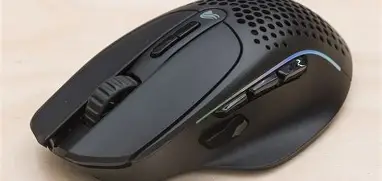
After months of use, a few initial impressions either faded or became more important. The shape that felt comfortable for short sessions proved excellent for long sessions: I rarely felt wrist strain even after long aim-heavy games. What I appreciated most after several months was how consistent the mouse remained — clicks stayed crisp, the primary buttons didn't develop any mushiness, and the glide feet preserved a steady glide without obvious wear for a long time.
Performance and sensor behavior
In my experience the Model I 2's tracking is very reliable. During fast flicks and micro-adjustments it behaved predictably, and I didn't notice any jitter or odd acceleration in everyday use. For competitive play the mouse felt locked-in: I could perform controlled swipes at high DPI and small corrections at low DPI without the sensor introducing smoothing that ruins precise aim.
Lift-off distance was moderate and consistent across the pad types I used (fabric and a thicker hybrid pad). I tested it across different surface materials and didn't encounter tracking anomalies that some cheaper mice show on glossy or patterned pads. That said, if you depend on ultra-low LOD for a specific style of play, you might want to test the exact unit to confirm it matches your preference — my unit sat in a comfortable middle ground.
Build quality, switches, and daily durability
The Build felt solid without being heavy. The plastic shell maintained its matte texture and did not turn glossy where my palm rested, which I appreciated because that's a common wear point on many mice I’ve tried. The scroll wheel has a comfortable tactile notchiness — not too loose, not too stiff — and the side buttons sit where I can reach them naturally without accidental presses.
After months of use, the primary switches are still snappy. I didn’t experience double-clicking problems or degraded responsiveness. The hover and click sound profile stayed the same over time; nothing softened or got loud. The only minor physical complaint I developed was the polish on the feet: while they still glide well, I noticed a subtle roughening after heavy use on a coarse pad. It didn't impact performance, but it's one of those small, tangible signs of wear that mattered to me as an owner.
Cable, connectivity, and software
The cable is a big part of the daily experience. I found it to be flexible and unobtrusive, which made the mouse feel almost wireless in daily handling even though it’s wired. When I travel and use a cramped laptop setup, a stiff cable can ruin the feel; the Model I 2’s cable did not. The strain relief is solid, and frequent unplugging hasn't loosened the connector in my time with it.
Shop the latest Laptops & Computers picks on Amazon.
Browse Now →Glorious’s software (the driver/SDK I used) handled DPI changes, polling rate, and DPI stages fine. I liked being able to program the side buttons and set a lower-profile lift-off calibration. That said, the software remains relatively basic compared with some big-brand suites: it does what it needs to do but isn’t particularly polished. I noticed occasional quirks with profile syncing between Windows installations on different machines, which meant I sometimes had to reapply my preferred settings after plugging into another laptop. Not a dealbreaker, but an annoyance.
Comfort and ergonomics
Ergonomically, the Model I 2 is a right-handed shape that favors fingertip and claw grips. My hand is average to slightly large, and I can use a palm grip if I place my hand a bit further back, but fingertip/claw feels ideal. The thumb rest has enough contour to avoid the thumb feeling squashed, and the textured side gives a reassuring grip even when my hand is a bit sweaty during longer gaming sessions.
One thing that bothered me was a minor pressure point I felt under the heel of my hand if I rested the whole palm entirely on the rear of the mouse for long periods. Changing the angle or sliding my hand back a bit fixed it, but it’s a reminder that shape preference is personal — try one if you can.
Longevity and reliability — what held up and what didn’t
After eight months, I can say the Model I 2 feels durable. The switches, scroll wheel, and cable show no functional deterioration. The matte finish resisted oils and felt consistent. The only real visible frame of wear was the feet as mentioned earlier; they still glide well and didn't peel or chip, but they did lose a touch of their initial ultra-smooth polish. Overall, this mouse survived travel, daily plugging/unplugging, and heavy gameplay without significant issues.
Who the Model I 2 is best for
In my experience, this mouse is best for:
- Right-handed users who prefer fingertip or claw grip styles.
- People who want a lightweight, wired mouse with a comfortable ergonomic shape.
- Gamers who want reliable sensor tracking without weird smoothing or prediction artifacts.
- Laptop users who need a flexible cable and a compact footprint for travel.
If you have very large hands and insist on a full-palmed grip, you may prefer a larger, heavier mouse. If you want a super-simple plug-and-play mouse without any software at all, be aware the Model I 2’s customization works best with the driver available.
Pros & Cons
- Pros: Lightweight but solid-feeling shell; comfortable shape for fingertip/claw grips; dependable, predictable tracking in gaming and daily use; flexible low-drag cable; durable switches with no noticeable double-click issues after months; good button placement and tactile feel.
- Cons: Software can be a little clunky and inconsistent across systems; feet develop a subtle loss of polish after heavy use; minor pressure point for full palm placement on some hand sizes; not ambidextrous (right-hand only).
Comparison: Model I 2 vs. a few alternatives
To give context to how the Model I 2 stacks up, here’s a straightforward comparison table showing how it compares to the original Model I and a common lightweight competitor (approximate characteristics based on typical variants). I present approximate values and qualitative notes to help pick which suits you best.
| Mouse | Weight (approx.) | Shape & Handedness | Best for | Notes |
|---|---|---|---|---|
| Glorious Model I 2 | Approx. 60–70 g | Right-handed, ergonomic, fingertip/claw | Competitive FPS and laptop setups | Balanced light weight, comfortable thumb rest, flexible cable |
| Glorious Model I (original) | Approx. 60–70 g | Right-handed, similar profile | Those wanting a simpler, earlier variant | The Model I 2 refines shape/finish and sometimes hardware; original is fine if found cheaper |
| Logitech G Pro X Superlight (competitor) | Approx. 60 g | Ambidextrous-ish, low profile | Players prioritizing the absolute lightest, minimal drag | Exceptionally light and wireless option; different ergonomic feel and higher price |
Buying guide — what to check before you buy
If you’re thinking about buying a Model I 2 in 2026, here are practical checks and considerations that mattered to me and that I’d recommend you do before committing your money.
1. Hand size and grip
Check whether the mouse shape matches your grip style. I recommend measuring your hand length (from wrist base to middle fingertip) and comparing to a store display mouse if possible. The Model I 2 suits fingertip and claw grips best; if you palm-grip predominantly with large hands, try it first.
Find top-rated Laptops & Computers products at great prices.
See Deals →2. Cable preference
If you often move between a laptop and a docked setup, the cable matters. The Model I 2’s flexible cord reduces drag and makes it feel closer to wireless handling. If you prefer wireless only, consider wireless alternatives, but for wired use the cable performance here is very good.
3. Software and profiles
Decide whether you want extensive on-device memory for profiles or are okay reconfiguring through software. The Model I 2 provides useful customization, but software synchronization across systems can be hit-or-miss; back up your settings if you switch machines often.
4. Sensor and DPI needs
Think about your DPI/polling preferences. If you play at extreme low DPI or need a very specific lift-off distance, test first. For most players and productivity work the sensor is precise and predictable in my time with it.
5. Durability expectations
I recommend thinking about how hard you are on a mouse. The Model I 2 held up well for me over months of daily use and travel. If you want a mouse that will still look pristine after years of heavy use, be realistic: most mice show some foot wear and minor finish changes over time.
6. Budget and alternatives
Compare price to alternatives in the market. The Model I 2 typically offers very good value for a performance-focused ergonomic right-handed mouse. If you find a significantly cheaper comparable mouse from a reputable brand, weigh trade-offs in shape and software.
Final thoughts and conclusion
After using the Glorious Model I 2 for many months, I can say it remains a strong choice in 2026 for users who want a lightweight, comfortable, right-handed mouse that performs consistently in both gaming and everyday laptop setups. In my experience it delivers reliable tracking, a pleasant ergonomic shape for fingertip/claw users, and a cable that rarely gets in the way. The build quality held up well during travel and heavy use, and the buttons and scroll remained crisp.
My disappointments are realistic and small: the software is functional but not flaw-free, the feet show normal wear over time, and some palm-grippers may find the rear shape less than ideal. Those caveats aside, I was pleasantly surprised by the Model I 2’s balance of feel, performance, and durability in real-world, long-term use.
If you prioritize a right-handed ergonomic mouse for both competitive play and day-to-day laptop work, the Model I 2 is still a very good pick in 2026. In my experience it stayed dependable and comfortable long after the honeymoon period — and that’s the kind of longevity I look for in a daily driver.