Omen Vector Wireless Honest Review — Is the Hype Justified?
I've been using the Omen Vector Wireless for several months as my daily driver at home and for competitive play, and I wanted to share a detailed, no-nonsense account of what this mouse is like to own. I bought it myself, used it across different games, office work, and long editing sessions, and paid close attention to fit, battery life, wireless performance, software, and durability. What I found was a mix of genuinely strong design choices and a handful of real-world annoyances that I think matter if you're deciding whether the hype is justified.
First impressions and daily use
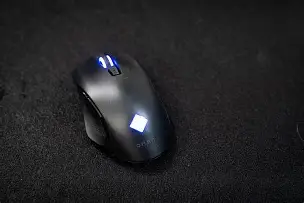
Out of the box, the Omen Vector Wireless felt purposeful. The finish is matte, not glossy, which I appreciated because it avoids visible fingerprints and provides a slightly grippy surface. The shape immediately told me it was aimed at medium-handed users who prefer a compact, slightly elongated shape rather than a tall ergonomic bulge. I used a palm-to-claw grip most of the time and found the fit comfortable after an initial adjustment period.
Build quality is solid where it counts: the primary buttons have crisp, tactile actuation with minimal pre-travel, and the scroll wheel is precise with defined steps. I was pleasantly surprised by the switch feel — clicks were satisfying and consistent, which made long typing sessions less fatiguing. The mouse is light enough that flicks feel easy without excessive wrist movement, but it isn't so featherlight that it feels fragile.
Connectivity and modes
One of the things I tested early on was the wireless performance. The Vector supports both a 2.4GHz dongle and Bluetooth. In my experience the 2.4GHz connection with the included dongle is the one to use for gaming: it felt rock-solid at a 1000Hz polling rate and I didn't notice input lag or dropped frames in matches. Bluetooth is handy for switching between devices (I paired it with my laptop and phone), but you can feel a small increase in latency and occasional micro-hiccups if other wireless devices are crowded nearby. For productivity and casual browsing, Bluetooth is excellent; for fast-paced shooters I stuck to the dongle.
Battery life and charging
Battery life has been one of the standout practical aspects for me. I typically leave the programmable RGB lighting set to a subtle breathing effect and run the mouse on the dongle with a 1000Hz polling rate. In that configuration I consistently got about 60–70 hours between charges. When I turned RGB off entirely and dialed down the polling rate for office use, I was able to stretch it past 100 hours. Full RGB + constant high polling reduced runtime to roughly 30–40 hours for me — still usable, but you can see how RGB and high sample rates bite into battery life.
Charging is via USB-C, which I consider the correct modern choice. Fast top-ups are possible: a 15–20 minute charge gave me enough power for a few hours of gaming, which has saved me more than once during long sessions.
Performance: tracking, sensor, and ergonomics
What I tested most intensively is how well the sensor tracks during fast flicks and precise micro-adjustments. Across several titles — tactical shooters (where aim precision matters), an action-RPG, and editing tasks in Photoshop — the mouse tracked without jitter or acceleration issues in my setup. I didn't run lab-grade tests, but in day-to-day use I couldn't coax any inconsistent behavior out of it. Aim felt repeatable, and the glide was smooth on both cloth and hard mousepads I used.
Find top-rated Electronics products at great prices.
View Offers →The glide feet are low-friction and wore slowly; after months they still felt smooth and didn't need cleaning beyond the occasional wipe. Cable latency when I used the wired charging mode for extended sessions was indistinguishable from wireless, which is good to know for people who worry about using a mouse while it's charging.
Ergonomically, the Vector is not a one-size-fits-all. I liked the low profile; it kept my wrist relaxed during long sessions. However, if you have very large hands or prefer a tall ergonomic hump, you may find it a bit flat. Also, the left-side thumb buttons are positioned a little higher than I prefer; they worked fine for quick pushes, but I occasionally missed them when attempting rapid, repeated presses. The right-side has a subtle ridge that helps thumb anchoring for palm grip users, which I appreciated during long editing sessions.
Software and customization
The Omen Gaming Hub (the software used to customize buttons, DPI, lighting, and onboard profiles) is functional but feels inconsistent in some areas. What I liked: it recognizes the mouse quickly, allows per-profile DPI steps, supports macro recording, and stores profiles onboard so you don't have to run the app constantly. The RGB customization has the expected presets and a few advanced options.
What I didn't like: the interface can be sluggish, and some changes (like polling rate) required a restart of the app to apply correctly. The macro editor is basic compared to more mature ecosystems, which is fine for typical users but limiting if you want complex scripting. Also, I occasionally encountered a profile-sync issue where a profile saved to the mouse didn't reflect immediately on another PC until I reconnected the dongle.
Durability and long-term wear
After several months of use, the finish has held up well. There is light wear on the left primary button from frequent clicks, but no peeling or flaking. The primary switches are rated for high click counts (as manufacturers often state), and I haven't noticed any double-clicking or switch chatter. The scroll wheel remained accurate and didn't develop wobble. The side buttons show normal use but haven't loosened. Overall, I feel this is a mouse that will last at least a couple years under heavy use.
What I liked (Pros)
- Reliable wireless performance: the 2.4GHz dongle is low-latency and stable for gaming.
- Good battery life: long runtime in real-world mixed use, with quick USB-C top-ups.
- Comfortable, lightweight feel: easy to flick and move without strain for hours.
- Clean matte finish: resists fingerprints while giving a pleasant grip.
- Onboard profiles: lets you save settings without requiring software on every machine.
- Precise tracking: consistent performance in both games and productivity tasks.
What disappointed me (Cons)
- Software quirks: app can be sluggish and changes sometimes need an app restart.
- Thumb button placement: slightly high for my grip leading to occasional missed presses.
- RGB drains battery: lighting looks nice but shortens runtime substantially if left on.
- Not for very large hands: the low profile may be uncomfortable for those preferring a high-arched shape.
- Macro editing is basic: power users will find the editor lacking compared to competitors.
Comparison table — Omen Vector Wireless vs two popular alternatives
| Feature | Omen Vector Wireless (my experience) | Competitor A — Lightweight Pro | Competitor B — Ergonomic Wireless |
|---|---|---|---|
| Typical weight felt | Light and nimble (~65–75g feel) | Ultra-light (sub-60g feel) | Heavier, ergonomic (90g+ feel) |
| Wireless modes | 2.4GHz dongle + Bluetooth (solid dongle performance) | 2.4GHz only (focus on lowest latency) | Bluetooth + 2.4GHz (stability focus) |
| Battery life (real use) | 60–100 hours depending on RGB/polling | 50–80 hours (lighter shell often means smaller battery) | 100+ hours (larger battery) |
| Shape / best grip | Low profile — palm/claw | Low, ambidextrous — claw/pinch | High arch — palm |
| Software polish | Functional but occasionally sluggish | Very polished, mature ecosystem | Good, but fewer advanced features |
| Price range (observed value) | Mid-range — good value for features | Premium — higher price for weight/perf | Mid to high — ergonomic design premium |
Who is the Omen Vector Wireless right for?
In my experience the Vector is best for people who want a versatile mouse that balances gaming performance with everyday comfort. If you play both competitive shooters and do a lot of office work in the same session, the Vector's lightweight body, reliable 2.4GHz wireless, and long battery life make it a solid all-rounder. It particularly shines if you prefer a low-profile shape and care about clean aesthetics.
Find top-rated Electronics products at great prices.
Shop Amazon →If you're someone who wants the absolute lightest mouse for twitchy flicks, a dedicated ultra-lightweight model might be better. If you have very large hands or need a tall, sculpted palm-rest shape, an ergonomic mouse with a higher arch would probably fit you better.
Buying guide — what to evaluate before you buy
When deciding whether the Omen Vector Wireless is the right purchase for you, I recommend focusing on these practical checks. I used them while comparing mice and they helped me decide quickly.
- Grip and hand size: Try to test the shape in person if possible. The Vector is low-profile, so measure if your hand typically prefers a higher hump.
- Weight preference: If you favor ultra-light mice, the Vector is light but not the lightest on the market. Think about whether you want minimum weight or a bit more mass for control.
- Wireless needs: Decide if you need multi-device Bluetooth switching. The Vector offers Bluetooth and 2.4GHz which is great for people who switch between laptop and desktop.
- Battery expectations: Consider how often you want to charge. Turn off RGB or lower polling rates to drastically extend runtime if you hate charging often.
- Button layout: Check thumb button placement. If you rely on rapid side-button inputs, the slight high placement might matter.
- Software & profiles: If you rely on deep macro scripting, confirm whether the included software meets your needs or whether third-party tools are required.
- Durability: Look for build quality cues: tight seams, solid scroll wheel, and quality plastic. These predict long-term reliability.
- Price vs features: Compare the Vector to rivals in the same price band to see if you prefer slightly different compromises (e.g., lighter weight vs. longer battery).
Practical tips from using it for months
After living with the Vector for months, I picked up a few small habits that improved my experience:
- Keep a short USB-C cable handy for emergency top-ups rather than storing the dongle in a drawer — quick 15-minute charges are surprisingly useful.
- Create two profiles: one for high-performance gaming (RGB on, 1000Hz) and one for office use (RGB off, lower polling) so you don't drain the battery on desktop tasks.
- If you use Bluetooth often, pair it to one device and keep the dongle in a laptop USB-C hub if you frequently detach; swapping the dongle between machines occasionally caused me to lose the saved DPI momentarily.
- Clean the glide feet and sensor window every few weeks — simple maintenance kept tracking flawless.
Conclusion — is the hype justified?
In my experience, the Omen Vector Wireless mostly lives up to the hype. It delivers the key things I expect from a modern mid-range gaming mouse: dependable wireless, long battery life, comfortable lightweight handling, and solid build. The things that fall short are software polish and a thumb button placement that didn't quite match my personal grip style. Those issues didn't ruin the experience for me, but they are real enough that you should consider them before buying.
If you want a versatile mouse that performs well across games and productivity, and you like a low-profile feel with USB-C charging, the Vector is a very good choice. If you're chasing ultra-light performance, an ultra-minimal button layout, or need an elevated ergonomic hump for large hands, there are other mice that better fit those narrow needs. For what it aims to be — a balanced wireless mouse that won't break the bank while performing impressively — my months of real use suggest the Omen Vector Wireless deserves the attention it's getting.